
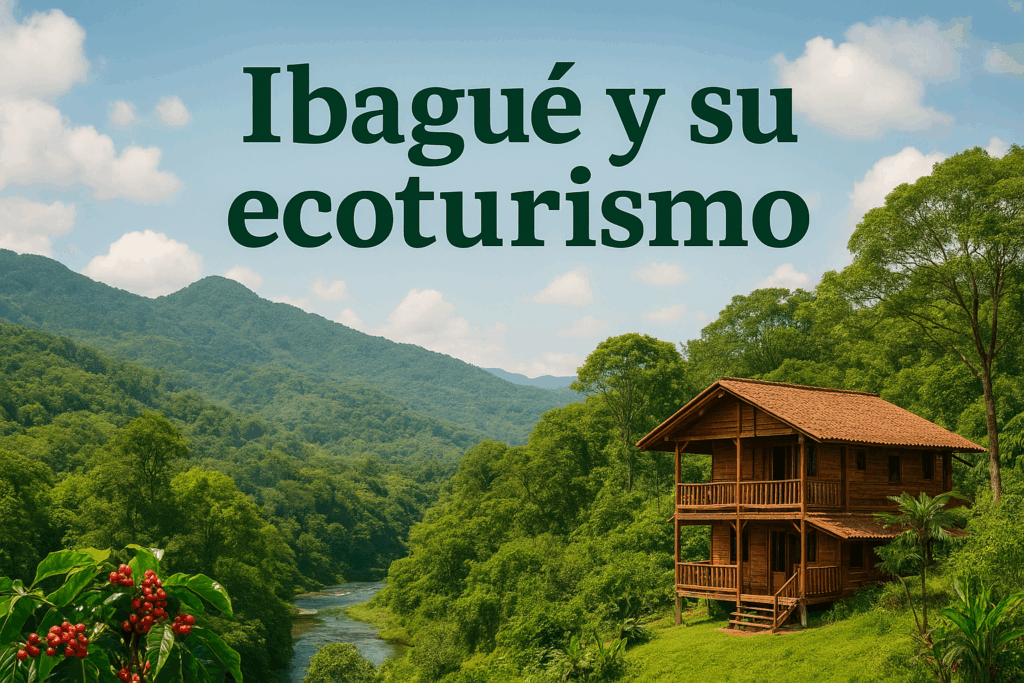
Ibagué, the "Musical City of Colombia", not only sounds: it also breathes forest, birds and mountains. A few kilometers from the city center, there are Andean landscapes, nature reserves and eco-lodges where visitors can reconnect with nature, go bird watching and hike along Andean trails. In this article you will discover what to do, when to go, how to prepare and why Ibagué is one of the most promising ecotourism destinations in Tolima.
Why visit Ibagué for ecotourism?
Accessible biodiversity: The Andean region of Tolima has montane forests with a high number of birds and native flora, ideal for birdwatching.
Proximity to the city: many reserves and eco-lodges are less than an hour from the center, facilitating short weekend getaways.
Diverse experiences: from hiking and bird watching trails to rural tourism and astronomical observation on clear nights.
Commitment to sustainability: several lodges work with ecological practices and responsible management of the environment.
Recommended activities
Bird watching
Ibagué and its surroundings record dozens (and in some places more than a hundred) species. Bring binoculars, a bird guide or hire a local guide to better identify the species and not disturb the habitat.
Hiking and interpretive walks
There are routes of different levels: from gentle forest walks to more demanding ascents that showcase the mountainous geography and views of the Nevado del Tolima.
Community-based tourism and rural experiences
Farm visits, coffee and local food workshops, and lodging in cabins managed by local families that offer a responsible cultural immersion.
Astronomical observation
Low light pollution in rural areas allows nights with clear skies perfect for observing constellations and the Milky Way.
Practical advice for travelers
Best time: dry seasons (check local dates) for hiking; however, the region can offer interesting sightings year-round.
Clothing: layers, windbreaker and waterproof jacket; mountain weather changes fast.
Equipment: binoculars, hiking shoes, sunscreen and repellent (respecting fauna and flora).
Reservations and guides: hire certified local guides whenever possible; you support the local economy and protect the environment.
Respect for the environment: do not leave garbage, do not feed wildlife and follow the marked routes.
A typical day in an eco-lodge (example)
Early wake up with guide for sighting outing.
Breakfast with local products (arepa, fruit, local coffee).
Interpretive trail with guide - flora and fauna.
Creole lunch at the farm or lodge.
Free afternoon: coffee workshop, planting or time to relax.
Stargazing night and conservation talk.
Social and environmental impact
Well-managed ecotourism generates local employment, encourages forest conservation and promotes sustainable agricultural practices. Look for operators and lodges with certifications or local recognition (RNT registration, environmental distinctions, alliances with environmental authorities).